This beautiful miniature paper theater, known as the Putti Theatre, is a 19th-century German model originally published by Joseph Scholz, a publishing house based in Mainz, Germany. Its facade, decorated with little cherubs and ornamental details, is a charming example of the so-called toy theaters, which enjoyed enormous popularity among children and adults during the 19th century.
The model I am presenting today was digitally restored and adapted by EK Duncan, the artist behind the blog My Fanciful Muse, a real little treasure trove for anyone interested in antique illustrations, engravings, paper toys and other curiosities from the past. In two posts published in February 2013, she presented the original theater sheet, identified as Proscenium No. 301, along with several variations featuring different colors and curtain arrangements.
But the history of these little theaters is just as interesting as the models themselves.
Although miniature theaters had existed in Europe for some time, printed paper theaters began gaining popularity in England around 1811. At the time, going to the theater was one of the great forms of public entertainment, and it was not long before someone came up with the idea of reproducing the actors, scenery and costumes of popular London stage productions on printed sheets of paper.
These sheets were sold in stationery shops and small stores, often located near the theaters themselves. Buyers would cut out the characters, mount the pieces on cardboard and assemble their miniature stages at home. Some sets included curtains, interchangeable scenery and even scripts adapted from the original plays. With a little imagination, it was possible to put on entire performances for family and friends.
A well-known expression from those days was "a penny plain and twopence coloured", meaning one penny for an uncolored sheet and two pence for a colored version. Those who bought the cheaper sheets could paint the characters and scenery themselves, making every little theater slightly different.
The popularity of these toys also followed advances in printing techniques throughout the 19th century. Initially produced using engraved printing plates and often colored by hand, sheets of characters and scenery later benefited from techniques such as lithography and chromolithography, which made it easier to reproduce detailed, colorful illustrations in larger quantities. Thanks to these developments, miniature theaters that once required considerable manual work could reach an increasingly wider audience.
Among the pioneers of this type of publication were William West and John Kilby Green, while one of the best-remembered names is Benjamin Pollock, who helped keep the paper theater tradition alive through his famous London shop in the late 19th and early 20th centuries. His name would eventually become associated with Pollock's Toy Museum, dedicated to preserving these toys and other historical curiosities.
The fashion also spread throughout continental Europe, especially Germany, where publishers such as Joseph Scholz and J. F. Schreiber produced beautiful illustrated sheets featuring elaborate theater facades, characters, scenery and accessories. Some of these little theaters were so detailed that they resembled real opera houses in miniature.
Over time, new forms of entertainment gradually reduced the popularity of these toys, but many examples survived thanks to collectors, museums and enthusiasts who continue to preserve and restore the old illustrations.
And that is precisely what makes EK Duncan's work so interesting. Besides recovering historical images, she creates new combinations of colors and decorative elements, allowing these old theaters to come to life once again.
Since the two posts dedicated to the Putti Theatre do not include printable paper characters to accompany the stage, I thought it would be a good idea to gather some of the paper figures I have collected over the years into a single PDF file. They represent different periods, styles and scales and can be used to create miniature scenes and performances. Naturally, depending on the figures you choose, you may need to resize them before printing.
Incidentally, anyone interested in exploring this fascinating world further can simply search Google for "vintage toy theater paper figures". The results reveal a huge variety of websites, illustrations and collections of characters and scenery, including plenty of free materials.
It is curious to think that, long before television, video games and the internet, a little theater made of paper, a few cut-out figures and a bit of imagination were enough to provide hours of entertainment.

Este belo teatro de papel em miniatura, conhecido como Putti Theatre, é um modelo alemão do século XIX, originalmente publicado pela editora Joseph Scholz, de Mainz, na Alemanha. A fachada, decorada com pequenos querubins e detalhes ornamentais, é um exemplo encantador dos chamados toy theaters, ou teatros de brinquedo, que fizeram enorme sucesso entre crianças e adultos durante o século XIX.
O modelo que apresento hoje foi recuperado e adaptado digitalmente por EK Duncan, responsável pelo blog My Fanciful Muse, um verdadeiro pequeno tesouro para quem aprecia ilustrações antigas, gravuras, brinquedos de papel e outras curiosidades do passado. Em duas publicações de fevereiro de 2013, ela apresentou a folha original do teatro, identificada como Proscenium nº 301, além de diferentes versões com cores e cortinas alternativas.
Mas a história desses pequenos teatros é tão interessante quanto os próprios modelos.
Embora já existissem formas de teatro em miniatura na Europa, os teatros de papel impressos começaram a ganhar popularidade na Inglaterra por volta de 1811. Naquela época, o teatro era uma das grandes diversões do público, e não demorou para que alguém tivesse a ideia de reproduzir, em folhas de papel, os atores, cenários e figurinos das peças que faziam sucesso nos palcos de Londres.
As folhas eram vendidas em papelarias e pequenas lojas, muitas vezes próximas aos próprios teatros. Os compradores recortavam os personagens, colavam as peças sobre papelão e montavam seus pequenos palcos em casa. Algumas versões incluíam cortinas, cenários intercambiáveis e até roteiros adaptados das peças originais. Com um pouco de imaginação, era possível organizar verdadeiras apresentações para familiares e amigos.
Uma expressão bastante conhecida daquela época era "a penny plain and twopence coloured", ou seja, um penny pela folha sem colorir e dois pence pela versão colorida. Quem comprava a mais barata podia pintar os personagens e cenários à mão, tornando cada montagem um pouco diferente das demais.
A popularização desses brinquedos também acompanhou os avanços das técnicas de impressão durante o século XIX. Inicialmente produzidas por meio de gravuras e muitas vezes coloridas à mão, as folhas de personagens e cenários passaram a se beneficiar de processos como a litografia e, posteriormente, a cromolitografia, que facilitaram a reprodução de imagens detalhadas e coloridas em maior quantidade. Graças a essas técnicas, pequenos teatros que antes exigiriam muito trabalho artesanal puderam chegar a um público cada vez maior.
Entre os pioneiros desse tipo de publicação estavam William West e John Kilby Green, enquanto um dos nomes mais lembrados é Benjamin Pollock, que manteve viva a tradição dos teatros de papel em sua famosa loja de Londres, entre o final do século XIX e as primeiras décadas do século XX. Seu nome acabaria associado ao Pollock's Toy Museum, dedicado à preservação desses brinquedos e de outras curiosidades históricas.
A moda também se espalhou pela Europa continental, especialmente pela Alemanha, onde editoras como Joseph Scholz e J. F. Schreiber produziram belíssimas folhas ilustradas, com fachadas elaboradas, personagens, cenários e acessórios. Alguns desses pequenos teatros eram tão detalhados que pareciam verdadeiros palcos de ópera em miniatura.
Com o passar do tempo, novas formas de entretenimento acabaram diminuindo a popularidade desses brinquedos, mas muitos sobreviveram graças a colecionadores, museus e entusiastas que continuam preservando e restaurando as antigas ilustrações.
E é justamente isso que torna o trabalho de EK Duncan tão interessante. Além de recuperar imagens históricas, ela cria novas combinações de cores e elementos decorativos, permitindo que esses antigos teatros ganhem vida novamente.
Como nas duas publicações dedicadas ao Putti Theatre não há folhas de personagens para acompanhar o palco, achei por bem reunir em um único arquivo PDF algumas das figuras de papel que tenho guardadas em minha coleção pessoal. São personagens de diferentes épocas, estilos e escalas, que podem ser utilizados para compor pequenas cenas e apresentações. Naturalmente, dependendo das figuras escolhidas, talvez seja necessário ajustar suas dimensões antes da impressão.
Aliás, quem quiser explorar ainda mais esse universo pode fazer uma simples busca no Google por "vintage toy theater paper figures". A pesquisa revela uma enorme variedade de sites, imagens e coleções de personagens e cenários, incluindo muitos materiais gratuitos.
É curioso pensar que, muito antes da televisão, dos videogames e da internet, um pequeno teatro feito de papel, algumas figuras recortadas e um pouco de imaginação eram suficientes para proporcionar horas de diversão.


Below you will find the links to both parts of EK Duncan's Putti Theatre project, featuring the original vintage paper theater and several beautifully restored and recolored versions. I have also included a third link to a PDF from my personal collection, containing paper figures from different periods, styles and scales, so you can add your own characters and bring this little theater to life:
01: Putti Theatre - Cherub Toy Theater - Part 1 - by EK Duncan
02: Putti Theatre - Cherub Toy Theater - Part 2 - by EK Duncan
03: Vintage Toy Theater Paper Figures - A Selection From My Personal Collection - via Papermau

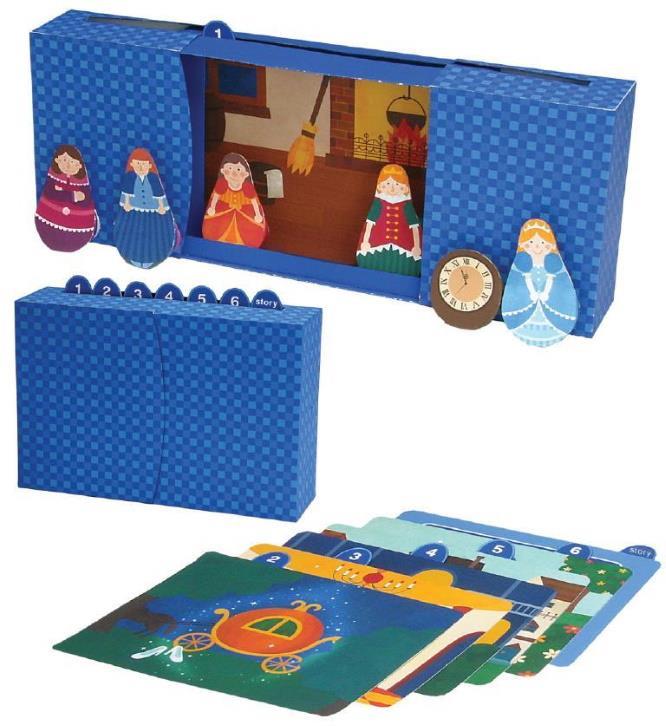
And if you enjoyed this little journey into the fascinating world of vintage paper theaters, below you will find four more paper theater projects previously featured here at Papermau, including two beautiful historical models, a miniature Cinderella theater and an unusual shadow puppet theater:

01: 1880-1920s Paper Theater - A Vintage Paper Model - by Pellerin
02: The Little Match Girl - A Vintage Theater Paper Model - by Alfred Jacobsen - via Sala Lúdica
03: Pocket Theater Papercraft For Kids - Cinderella History - by Erico via Canon
04: TDDK Robot Shadow Puppet Theater Paper Toy - by Salazad